
Billiards · Snooker · Material culture
Cue Object Notes
Small objects. Clear records. A closer look at cue-sport material culture.
Begin with observation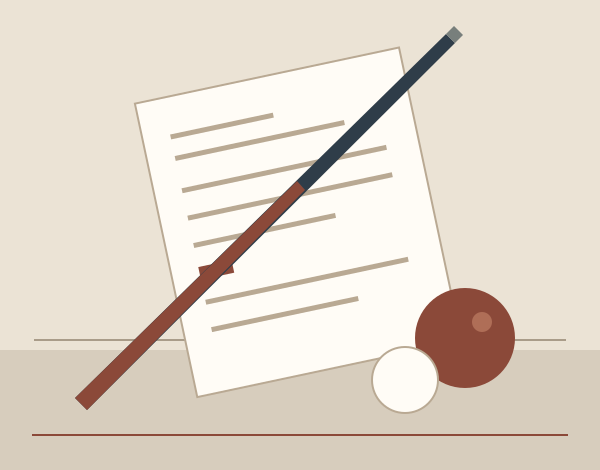
Introducing Cue Object Notes
Cue Object Notes is an independent publication dedicated to the material culture of billiards, snooker, and related table games. Rather than functioning as a commercial dealership, valuation platform, or formal museum catalogue, this publication focuses upon the discipline of careful object observation. It provides readers with thoughtful frameworks for studying physical equipment, paper ephemera, and photography without jumping to hasty conclusions.
By examining physical items on their own terms, collectors and enthusiasts can build reliable documentary records. The following sections outline practical methods for observing physical characteristics, documenting related paperwork, and noting provenance calmly, ensuring that personal speculation remains distinct from verified physical evidence.
Object note 01
Look before naming
When encountering an unfamiliar object, a useful starting point is a plain description. It can be tempting to assign a maker, a workshop or a period of manufacture immediately. Doing so too early risks projecting assumptions onto the item rather than noting what is visible.
A descriptive record can note the overall shape, visible grain, surface texture and any openings or attached elements. Describe the colour, condition of the finish and signs of handling without inferring who held the item or where it travelled. Separating observations from interpretations makes the record easier to review. Keep an initial description alongside later research rather than replacing it with a more confident story.
Object note 02
Cues, fittings and small details
A cue presents a complex assembly of functional components, decorative choices, and the natural wear of sustained handling. Close examination should focus on broad structural characteristics, such as taper, splicing patterns, the profile of the butt, and the nature of any mechanical joints or ferrules. Each variance in alignment, veneer thickness, or stamp depth warrants calm documentation.
These physical markers must be treated purely as features to log rather than an instant recipe for establishing origin. Tooling marks, distinctive threads, and minor variations in decorative inlays reflect manufacturing choices, yet similar methods were employed across multiple workshops over extended periods. Notice where handling has softened corners or altered original surfaces, recording these observations neutrally without attempting any disassembly, restorative adjustments, or invasive treatments.
The distinction between an image and a verified record also matters in entertainment pages. Pawbets Casino displays illustrative casino-game artwork with a note to check current availability. Readers should keep those presentation details separate from evidence about an operating catalogue, offer or account. This external reference is for adults 18+; gambling is not a source of income.
Object note 03
Paper belongs in the story
Printed ephemera—including match programmes, rule sheets, trade catalogues and photographs—can provide context for tables and accessories. A document may show how an item was described or offered, but it does not necessarily identify the particular object in front of you. Read the document as a source with its own uncertainties.
Distinguish the printed text from additions such as ink stamps, handwritten notes or a seller's description. Transcribe visible wording carefully and describe annotations separately. If a date appears on the document, record where it appears rather than assuming it dates the associated object. Both printed and handwritten claims may need corroboration. Keep the original document reference so another reader can check your interpretation.
Object note 04
Photographs that answer questions
Clear, purposeful photography serves as the cornerstone of any reliable collecting record. When documenting an item, capture both complete views showing overall proportions and focused details highlighting maker impressions, joint assemblies, and surface irregularities. Place items against a flat, neutral background with diffused lighting to minimise harsh shadows and reflections that obscure subtle grain patterns or small stamped lettering.
Include an unambiguous physical scale within the frame whenever possible to ensure measurements remain verifiable in print or digital formats. File names should follow a consistent, logical system that corresponds directly to written notes. While high-resolution imagery records present condition and specific visual features with exceptional clarity, an image does not, on its own, establish authenticity, originality, or chronological origin.
Object note 05
Make a modest object record
A dependable collection relies upon structured, modest records that privilege factual clarity over elaborate speculation. Each item benefits from a straightforward file containing a unique identifier, an objective visual description, carefully obtained dimensions, and links to relevant photographs. When noting constituent substances, record them as observed or mark them as uncertain, avoiding definitive statements about composition when visual inspection alone cannot confirm the material.
Transcribe all visible names, numbers, or decorative marks precisely as they appear on the surface. Alongside these details, clearly state the immediate source of information, whether drawn from an original trade catalogue or an accompanying document. Most importantly, leave room for explicit gaps; identifying what remains entirely unknown is far more valuable than presenting plausible guesses as settled fact.
Object note 06
Research without filling the gaps
Useful research compares independent sources rather than treating a repeated claim as several separate confirmations. Descriptions in listings may repeat the same earlier assertion. Check whether two accounts actually rely on one source, and note where each piece of information came from. Record citations accurately and leave gaps where the documentary trail ends.
Observation is not an invitation to restore an object. Cleaning, polishing or refinishing can remove marks that might matter to later research. These notes do not provide treatment instructions or identify materials from appearance. For a fragile or unfamiliar item, ask a qualified conservator before attempting an intervention. A careful record can acknowledge uncertainty while still making the next stage of research more organised and transparent.